A Tesla is a car built around glass. The big panoramic roof, the tall windshield, and the curved rear window let in a striking amount of light, and in a Louisville summer they let in a striking amount of heat too. Tinting a Tesla is one of the first upgrades many owners make, but it is also a car with specifics that reward an installer who has done it before. Sun Tint installs Tesla window tinting in Louisville for Model 3, Model Y, Model S, Model X, and Cybertruck owners, with many drivers in Prospect, Anchorage, and along the US-42 corridor choosing mobile service so the car stays home in the garage.
The questions Tesla owners ask are consistent: will the tint mess with the car's technology, what does the roof glass need, and how dark can it legally go. All three have clear answers with the right film.
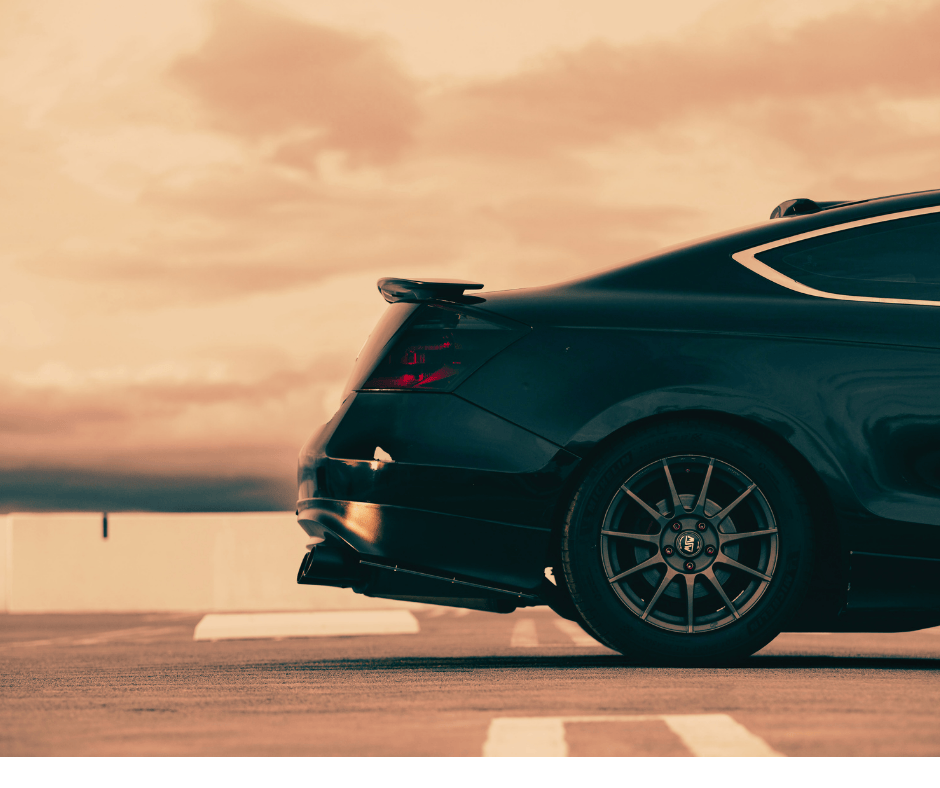
A Tesla runs on connectivity. Over-the-air updates, cellular data, GPS navigation, Bluetooth, and a suite of driver-assist cameras and sensors all depend on signals reaching the car. Older metalized tints can interfere with those signals, which is a real problem in a vehicle this connected. The answer is ceramic film, which rejects heat using non-metallic nano-ceramic particles and does not block cellular, GPS, or Bluetooth reception. For a Tesla, signal-safe ceramic film is the default recommendation, not an upsell, because it protects the car's systems while cutting the heat.
Ceramic window films reject heat with non-metallic nano-ceramic particles rather than metal, so they cut infrared heat and close to 99 percent of UV without interfering with the cellular, GPS, and sensor signals a connected vehicle relies on.
A large panoramic glass roof admits a substantial amount of near-infrared solar energy, which is why a dedicated infrared-rejecting roof film noticeably reduces cabin heat gain and eases the load on a vehicle's climate system.
Ultraviolet light is the main driver of interior fading on dashboards, seats, and trim, and quality automotive films block close to 99 percent of UV, protecting the light-colored, screen-forward interiors common in newer electric vehicles.
The glass roof is the feature Tesla owners most want to address. It looks incredible and it turns the cabin into a greenhouse on a sunny day, radiating heat onto the front seats and driving up the air conditioning load. A dedicated roof film, usually a clear or lightly tinted high-infrared or ceramic film, cuts a large share of the infrared heat and blocks close to 99 percent of UV while keeping the open, glassy feel. It is one of the highest-value films on the car precisely because that roof takes so much sun. The curved rear window and the tall windshield each call for their own cut and technique, which is where an installer's Tesla experience shows.
A Tesla is subject to the same Kentucky tint law as any other car. Front side windows can be no darker than 35 percent VLT, and rear side and back glass no darker than 18 percent VLT, with windshield tint limited to a non-reflective strip above the AS-1 line and reflectivity capped at 25 percent. The roof glass is not a side window, so roof films follow their own logic, but the side and rear glass go on at the legal limit by default. A driver with a documented medical exemption can go darker with the proper paperwork. Because statutes can change, the current limits are worth confirming before the install.
Beyond the technology and the law, tint does for a Tesla what it does for any car, only more so, given all that glass. It rejects the infrared heat that makes the cabin uncomfortable and forces the climate system, and by extension the battery, to work harder to cool the car. It blocks the UV that fades a modern minimalist interior, where a large dash and light upholstery show wear quickly. And it cuts the glare on the center screen that a Tesla owner lives by. High-infrared and ceramic films deliver all of that at a legal shade, so the comfort does not require pushing the law.
Tesla glass is not generic. The panoramic roof, the one-piece curved rear glass on some models, and the frameless door windows all demand precise, computer-cut patterns and a careful hand, because a sloppy cut or a blade near the wrong trim shows immediately on a clean, modern car. A shop that has tinted these models knows where the film should sit, how to handle the roof, and how to leave the correct gap at the gasket. That experience is the difference between a tint that looks factory and one that looks aftermarket.
Sun Tint is a local, family-owned company with over 40 years of experience across Louisville and Southern Indiana, and it tints Teslas with signal-safe ceramic and high-infrared films, computer-cut patterns, and legal-limit installation. Mobile service means a Tesla owner can have the car done in the driveway or the office lot rather than moving it, which many owners prefer for a vehicle they would rather keep at home. For Tesla window tinting in Louisville, the recommendation starts with the roof, the technology, and how the car is driven.
A Tesla's glass is its best feature and its biggest heat source, and the right ceramic film cools the cabin and protects the electronics without breaking Kentucky law. To tint a Model 3, Y, S, X, or Cybertruck, call Sun Tint at (502) 254-0001 for a free quote, at a shop or in the driveway.
Redirect to:
|
This page is a redirect. The following categories are used to track and monitor this redirect:
|
Not with the right film. Ceramic tint rejects heat using non-metallic nano-ceramic particles, so it does not block cellular, GPS, Bluetooth, over-the-air updates, or driver-assist sensors the way older metalized films can. Signal-safe ceramic film is the standard recommendation for a Tesla.
For most owners, yes. The panoramic roof lets in a lot of infrared heat and UV, so a clear or lightly tinted high-infrared or ceramic roof film cuts a large share of the heat and blocks close to 99 percent of UV while keeping the glassy feel. It is one of the highest-value films on the car.
The same limits apply as any car: front side windows no darker than 35 percent VLT and rear side and back glass no darker than 18 percent VLT, installed to the legal limit by default. A documented medical exemption allows darker tint. Roof films follow their own logic since the roof is not a side window.